Leaving Dubai for the summer: a home checklist for villas and apartments
Heading away for July and August? What to do with the AC, water, fridge, pool and garden so you come back to a cool, dry, working home.

In this guide
Every year, many Dubai families leave for the hottest part of the summer, some for a couple of weeks, some for two months. And every September, our phones fill with the results: mould on sofas and in wardrobes, fridges full of spoiled food after a power trip, pools turned green, lawns burnt brown, and the occasional leak that ran for weeks into the apartment below. Nearly all of it is avoidable with an hour of preparation and a weekly visit.
Two weeks before you leave
Service the AC
An AC that fails while you are away leaves the home unprotected against heat and humidity for weeks. Book an AC service before you travel so filters, coils and drains are clean and any weak parts are replaced. A blocked drain that overflows while no one is home can cause serious water damage.
Arrange pool and garden care
A pool left alone in July can turn green within days, and recovery costs much more than weekly care. Lawns and plants need daily irrigation in summer, and timers fail. Book weekly pool maintenance and garden maintenance for the weeks you are away, and test the irrigation timer before leaving.
Fix small leaks
A dripping tap or a toilet that runs is a nuisance when you are home and a risk when you are not. Have a plumber fix them before you go.
Pest prevention
A quiet, warm home with no one disturbing it is ideal for pests. A pest control treatment a week or two before you leave, plus clean kitchens and sealed food, means you come back to a home without visitors.
The AC question: on or off?
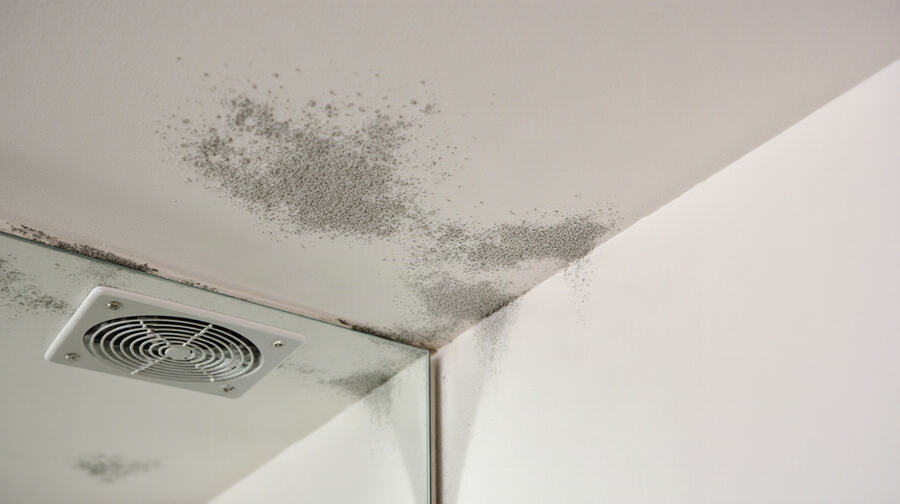
Do not switch your air conditioning off completely. Without cooling, indoor temperatures can soar and humidity rises sharply. Leather, wood, fabrics, books, electronics and musical instruments suffer, and mould can grow on walls, in wardrobes and on furniture. Instead:
- Set ACs to around 28 to 30°C in living areas and bedrooms.
- Leave internal doors and wardrobe doors open so air circulates.
- In villas with several units, keep at least the main living area and bedrooms cooled.
- If you have a smart thermostat, check it remotely and set an alert for high temperatures.
The cost of running ACs at this setting is modest compared with repairing mould damage or replacing warped furniture.
Water and the water heater
If someone will check the home weekly, you can leave the water on. If not, closing the main water stop valve greatly reduces the risk of a leak running for weeks. Before closing it:
- Switch off the water heater at its isolator or breaker. A heater left on with no water supply can be damaged.
- Close the main valve and open a tap to confirm the water has stopped.
- If irrigation runs from the mains, make sure it has its own supply or arrange for the gardener to reopen it.
When you return, open the valve slowly, run each tap for a minute to clear air and stale water, then switch the heater back on.
The fridge and freezer
Either empty the fridge, clean it, switch it off and prop the door open to stop mould, or keep it running with only long-life items. A power trip while you are away can spoil a full freezer, so do not leave expensive food stocked for two months. If someone is visiting weekly, ask them to check the fridge is still cold.
Electrical items
- Unplug TVs, computers, chargers and small appliances.
- Leave the fridge, AC, any security system and internet router on.
- Label which breaker controls what, so whoever checks the home can reset one if needed.
Security
- Tell your building management or community security the dates you are away and who has permission to enter.
- Leave a key or access card with someone you trust.
- Close and lock every window and balcony door; draw curtains on sun-facing windows to keep heat down.
- Use timers on a couple of lights if you are in a villa.
- Pause deliveries and newspapers.
The weekly check
If you can arrange it, someone should visit weekly. Give them a short list:
- Walk every room and look for water on floors, stains on ceilings and damp patches.
- Check every AC unit is running and the home feels cool.
- Run each tap briefly and flush toilets so traps do not dry out.
- Pour water into floor drains.
- Check the fridge is cold and the freezer frozen.
- Look for pests.
- Collect any post and leaflets at the door.
If you do not have someone to do this, our Premium plan customers can add weekly home checks while they travel, combined with pool and garden visits.
Villas: the extra items
- Cover outdoor furniture or store cushions inside.
- Check the water tank lid is closed to keep dust and insects out.
- Trim trees away from the roof and AC units before you leave.
- Close pool covers if you have them, but keep the pump running on its timer.
Apartments: what is different
In apartment towers, a few risks change. Your biggest exposure is a leak, either from your own home into the apartment below, or from above into yours while no one is there to notice. Close the main valve if no one is visiting, and give building management a contact number and permission to enter in an emergency. Balcony floor drains can dry out and let in smells and pests, so pour water into them before you go and ask your visitor to top them up. Sand blows onto balconies in summer storms; bring cushions and anything light indoors and close balcony doors firmly.
If your building uses district cooling, check whether there is a minimum monthly charge while you are away; it is usually worth keeping the cooling running at a moderate setting anyway to protect the home from humidity.
Cars, pets and plants
Cars left in open parking for weeks in summer suffer flat batteries and sun damage; use covered parking or a car cover, and consider disconnecting the battery. If pets are staying behind with a sitter, leave the AC settings they need and a list of emergency contacts. Group indoor plants together in a bright room away from direct sun, water them well, and ask your visitor to water them weekly.
Coming back
The day you return, do a quick check before unpacking:
- Look for leaks and damp: ceilings, under sinks, around the water heater and AC units.
- Open the water and run every tap; switch the heater back on.
- Check the fridge and freezer, and throw away anything doubtful.
- Run every AC on cool and check for musty smells. If you notice any, the drains or coils may need cleaning.
- Look for signs of pests.
- Open windows for half an hour on a cooler morning to air the home.
Keep the AC on a cooler setting for the first day to bring humidity down, and run extractor fans in bathrooms. If you notice mould spots, deal with them early before they spread; our guide to mould and humidity explains how.
If anything is not right, book a visit. September is busy, so it helps to book an autumn AC service or a deep clean before you fly, for the week you are back.
Frequently asked questions
Should I turn off my AC when I travel in summer?
Should I turn off the water when I go away?
Do I need someone to check my home while I am away?
What should I check when I get back?
General advice for Dubai homes. Anything involving gas, mains electricity or structural work should be done by a licensed technician.